
Feb 12, 2026 · 6 min read
How to Choose the Right Industrial Work Gloves
A practical buyer's guide to matching glove materials, fit, grip, lining and packaging to industrial use cases.
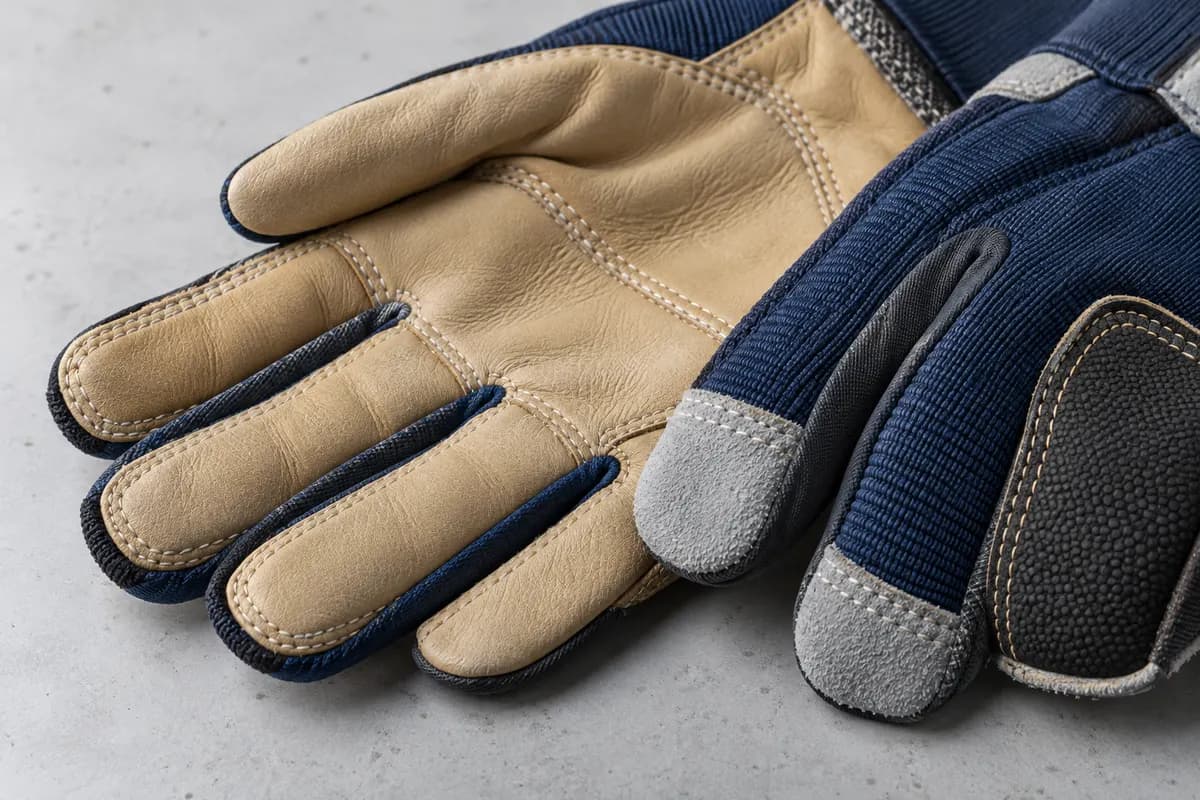
Start With the Work Environment
Industrial glove selection should begin with the job environment, not the appearance of the glove. A warehouse handling product cartons, a construction supply channel and an automotive maintenance program can require different palm materials, cuffs, grip zones and packaging formats.
For B2B orders, buyers should document the main use case, expected handling conditions and any required product characteristics before asking for samples. This makes quotations more accurate and reduces avoidable sampling delays.
- List the main application and working surface.
- Note whether the buyer needs dexterity, abrasion resistance, grip, warmth or reinforcement.
- Share reference photos or an existing glove sample when available.
Compare Material and Construction Choices
Leather, coated knit, synthetic leather and mixed-material gloves each solve different problems. A driver glove can feel flexible and familiar for handling work, while coated knit gloves can suit lighter repeated handling where grip and breathability matter.
Construction details such as seams, reinforcement patches, cuffs and lining should be specified clearly. These decisions affect cost, comfort, appearance and suitability for the intended channel.
| Requirement | Common Direction | What to Confirm |
|---|---|---|
| General handling | Driver or reinforced work glove | Leather/material type, sizes, lining and packaging |
| Repeated warehouse work | Coated knit or grip-focused glove | Coating, cuff, size run and pair packing |
| Rougher work | Reinforced palm construction | Patch placement, stitching and wear zones |
Plan Branding and Packing Early
Private-label requirements should be discussed before sampling because logo placement, tags, polybags, cartons and retail cards can affect production planning. Even simple carton marks should be confirmed in writing.
A clear inquiry should include approximate quantity, destination country, preferred Incoterm if known and any delivery timeline. Final commercial details can then be stated in the quotation or proforma invoice.
Need a glove quotation?
Share your product category, quantity, destination and any branding requirements.
Article FAQs
Should buyers ask for prices before sharing specifications?+
A rough discussion is possible, but accurate B2B quotations normally need material, size, quantity, packaging and branding details.
Can GLOVAAR develop gloves from reference photos?+
Yes. Reference photos, samples and technical sheets help define what should be evaluated during sampling and quotation.
Related Products
Products mentioned in this guide
 Classic Leather Driver Gloves
Driver & Work Gloves
Classic Leather Driver Gloves
Quote-based production
View SpecsReinforced Palm Work GlovesIndustrial & Safety Gloves
Reinforced Palm Work Gloves
Material-dependent grip options
View SpecsCoated Knit Grip GlovesIndustrial & Safety Gloves
Coated Knit Grip Gloves
Coating by buyer requirement
View Specs